Luteal phase symptoms are the bloating, sore breasts, tiredness, mood changes, food cravings and thicker, drier discharge that show up between ovulation and your next period. They are normal, they happen because progesterone is high, and none of them can tell you whether you are pregnant. The NHS lists overlapping symptoms for PMS and for early pregnancy, including breast tenderness, tiredness, mood changes and cravings, and says pregnancy symptoms usually start at around 4 to 6 weeks pregnant, which is after a missed period.
The luteal phase is the two week wait by its clinical name. It is the part of the cycle where you check, check, check your body for a sign. I guess that is because there is nothing left to do but wait.
This guide is the hormone side: what progesterone is doing, what is normal, and what a short luteal phase really means. For symptom-spotting and coping, see our guide to two week wait symptoms.
What is the luteal phase, and how long should it last?
The luteal phase is the stretch from ovulation to the day before your next period, and the NHS says it lasts around 10 to 16 days.
After the egg is released, a structure called the corpus luteum forms and starts making progesterone. The American Society for Reproductive Medicine (ASRM) 2026 committee opinion says progesterone peaks 6 to 8 days after ovulation in non-pregnancy cycles. If you are not pregnant, oestrogen and progesterone then fall, the womb lining sheds and your period starts.
"About 14 days" is an average, not a rule. ASRM gives a typical length of 12 to 14 days with a range of 11 to 17, and app data from 612,613 ovulatory cycles (Bull and colleagues, 2019, industry funded) found a mean of 12.4 days. So count from your own ovulation, not from day 14 of a textbook cycle.
What luteal phase symptoms are normal?
Normal luteal phase symptoms are the ones the NHS lists for PMS: mood swings, tiredness or trouble sleeping, bloating or cramping, breast tenderness, headaches, spotty skin and food cravings.
- Sore, heavy breasts. The NHS says period-linked breast pain can begin up to 2 weeks before a period, gets worse, then goes away when the period ends.
- Bloating, tiredness and poor sleep. All on the NHS PMS list.
- A slightly higher temperature. Core body temperature runs 0.3°C to 0.7°C higher in the luteal phase (Baker and colleagues, 2020).
- Drier, thicker discharge. The rise in progesterone after ovulation abruptly cuts mucus secretion, as Najmabadi and colleagues (2021) summarise in a pooled analysis of 2,488 ovulatory cycles. So cervical mucus in the luteal phase is meant to be unremarkable: the NHS says thick and sticky, white or clear discharge is normal.
Feeling nothing at all is also normal. The NHS says each woman's symptoms are different and can vary from month to month.
What is progesterone doing day by day after ovulation?
Progesterone rises after ovulation, peaks 6 to 8 days later, then falls, unless the pregnancy hormone hCG keeps the corpus luteum going.
I want to be plain about something first. I could not find a study mapping symptoms to individual days past ovulation. The hormone timing below is well evidenced. The symptom column only shows what is typical for that stage. A day-by-day symptom list with no source is guessing.
The numbers that matter: median progesterone was 22.6 nmol/L in the early luteal phase, 39.2 nmol/L in the middle and 18.2 nmol/L late on, in 81 to 85 healthy ovulating women per sub-phase, in a Roche-funded study. In Wilcox and colleagues (1999), implantation happened 6 to 12 days after ovulation, and 84% of pregnancies lasting six weeks or more implanted on day 8, 9 or 10. Mid luteal phase symptoms like sore breasts and tiredness become more likely around the progesterone peak, pregnant or not.

| DPO | What progesterone is doing | If an egg was fertilised: embryo and hCG | Common symptom at this stage | Can the symptom distinguish pregnancy from PMS? |
|---|---|---|---|---|
| 1 | Corpus luteum forms. Progesterone climbs from a follicular median of 0.212 nmol/L. Early luteal median 22.6 nmol/L, range 7.53 to 48.0 (Anckaert 2021). | Fertile window closed on ovulation day (Wilcox 1995). No hCG. | Fertile-type discharge stops abruptly (Najmabadi 2021). | No. Identical in both. |
| 2 | Rising. Secretion still stable rather than pulsed (Filicori 1984). | Not implanted. No hCG. | Temperature shifts up: 0.3°C to 0.7°C higher in the luteal phase (Baker 2020). | No. It confirms the phase, not pregnancy. NICE says not to use temperature charts to confirm ovulation (NG257). |
| 3 | Rising. | Not implanted. No hCG. | Discharge drier, thicker or sticky, which is normal (NHS). | No. |
| 4 | Rising. End of early luteal sub-phase (Stricker 2006). | Not implanted. No hCG. | Often few symptoms. Period-linked breast pain can begin up to 2 weeks before a period (NHS). | No. |
| 5 | Mid-luteal sub-phase begins (Stricker 2006). Median 39.2 nmol/L, range 15.2 to 66.5 (Anckaert 2021). Secretion becomes pulsed (Filicori 1984). | Not implanted. No hCG. | Bloating; slower gut transit (Wald 1981); tiredness (NHS). | No. |
| 6 | Peak window opens: progesterone peaks 6 to 8 DPO (ASRM 2026). | Earliest implantation recorded; range 6 to 12 DPO (Wilcox 1999). hCG starts to be produced around 6 days after fertilisation (NHS). | Breast tenderness, bloating, tiredness, mood changes, food cravings (NHS). | No. hCG, if present at all, is at trace levels. |
| 7 | Peak window. NICE times the "day 21" blood test here: mid-luteal phase, day 21 of a 28-day cycle (NG257). Gloucestershire Hospitals samples 7 days before the next period; 30 nmol/L or more is good evidence of ovulation. | Implantation possible but uncommon this early (Wilcox 1999). | As day 6. | No. |
| 8 | Peak window closes (ASRM 2026). | Main implantation window starts: 84% of successful pregnancies implanted on day 8, 9 or 10. hCG first detectable by ultra-sensitive lab assay at implantation (Wilcox 1999). | As day 6. Light cramps: I could not find good data linking cramps to implantation. | No. |
| 9 | Not pregnant: progesterone starts to decline (ASRM 2026; Anckaert 2021). Pregnant: hCG begins to sustain the corpus luteum, so progesterone stays up (ASRM 2026). Progesterone runs higher in conception cycles (Baird 1997). | Most common implantation days. Early loss 13% if implanted by day 9 (Wilcox 1999). | PMS-type symptoms continue (NHS). | No. Progesterone is high in both cases. |
| 10 | Late luteal sub-phase begins (Stricker 2006). Median 18.2 nmol/L, range 1.71 to 43.1, in non-pregnant cycles (Anckaert 2021). | Implantation on day 10: 26% early loss (Wilcox 1999). | Mood symptoms, irritability, poor sleep, headaches, spots (NHS; NICE CKS). | No. |
| 11 | Not pregnant: falling. Pregnant: maintained by hCG (ASRM 2026). | Late implantation: 52% early loss on day 11 (Wilcox 1999). | As day 10. Spotting before a period can occur; bleeding in early pregnancy was recorded by 9% of women (Harville 2003). | No. Spotting occurs in both. |
| 12 | Not pregnant: falling (NHS). | Last implantation day seen in lasting pregnancies. After day 11, 82% early loss (Wilcox 1999). Some very sensitive tests can be used before a missed period (NHS), but claims of detection 8 days before a period are unrealistic (Gnoth and Johnson 2014, one author works for a test manufacturer). | As day 10. | No. A negative test today does not rule out pregnancy (NHS; Wilcox 2001). |
| 13 | Not pregnant: oestrogen and progesterone low enough that the lining is about to shed (NHS). | hCG rising if implanted. | As day 10, plus bloating or cramping (NHS). | No. |
| 14 | Not pregnant: period starts and PMS symptoms ease (NICE CKS; RCOG). Pregnant: progesterone stays high. | Day the period is due. NHS: tests are "most reliable from the first day of your missed period". 10% of clinical pregnancies had not yet implanted by this day, so maximum test sensitivity is 90%, rising to 97% a week later (Wilcox 2001). | A missed period is the first symptom that actually differs. | YES, but only the missed period plus a positive test. Other pregnancy symptoms usually start at 4 to 6 weeks (NHS); half of women had none until day 36 after their last period (Sayle 2002). |
Table: the luteal phase day by day, 1 to 14 days past ovulation (DPO). Sources: Anckaert et al. 2021 (progesterone), Stricker et al. 2006 (sub-phase days), Filicori et al. 1984, Wald et al. 1981, Baird et al. 1997, Harville et al. 2003, Gnoth and Johnson 2014, Wilcox et al. 1995 and 1999. NHS, NICE, ASRM 2026 and the other sources named are linked in the sections that discuss them.
How to read this table honestly: the symptom column is stage-level, not day-level. The progesterone values are medians and 5th to 95th percentile ranges from one assay, and the sub-phase days (early 1 to 4, mid 5 to 9, late 10 to 14 after the LH peak) come from a different paper, so the mapping is approximate. ASRM notes progesterone may fluctuate up to 8-fold within 90 minutes, so a single reading is a snapshot. The table assumes a 14-day luteal phase, so "day 14" means "the day your period is due".
👉 Before your period is due, no symptom can distinguish pregnancy from PMS.
Can luteal phase symptoms tell you if you are pregnant?
No. Luteal phase symptoms cannot tell you whether you are pregnant, because progesterone is high in both cases and the symptoms overlap. The NHS describes early pregnancy breast tenderness as the same as before a period.

The timing does not support early symptom-spotting either. Implantation most often happens 8 to 10 days after ovulation, and until it does there is no hCG in your system, so pregnancy-specific symptoms at 5, 6 or 7 DPO are not plausible. Sayle and colleagues (2002) followed women with daily symptom diaries. Among 136 who went on to live births, half had pregnancy symptoms by day 36 after their last period, and 89% by the end of week 8.
Only a test can answer it. The NHS puts it plainly: "Pregnancy tests are most reliable from the first day of your missed period."
Even then it is not perfect. In Wilcox and colleagues (2001, JAMA), 10% of clinical pregnancies had not yet implanted by the first day of the missed period, which caps test sensitivity at 90% that day and 97% a week later. We go through the timings in when to take a pregnancy test after ovulation.
Same hormone, overlapping symptoms. That is the whole problem.
What is a short luteal phase, and does it affect fertility?
A short luteal phase is usually defined as 10 days or fewer between ovulation and your period, it is common in healthy women, and it has not been proven to cause infertility.
That is the position of the ASRM and SREI Practice Committees, in the committee opinion they updated in July 2026: "Although progesterone is important for the process of implantation and early embryonic development, LPD has not been proven to be an independent entity causing infertility or recurrent pregnancy loss." LPD is luteal phase deficiency, also called luteal phase defect. Definitions vary: papers also use 11 days or fewer and 9 days or fewer.
- How common is it? In the BioCycle study (Schliep and colleagues, 2014), a luteal phase under 10 days turned up in 8.9% of cycles in 259 regularly menstruating women, and recurred in only 3.4% of women. Common, and usually a one-off.
- Does it lower your chances? Crawford and colleagues (2017) followed 284 US women aged 30 to 44 trying to conceive. After a short luteal phase (11 days or fewer, counting ovulation day), the odds of pregnancy in the next cycle were 0.82, with a 95% confidence interval of 0.46 to 1.47, which is not statistically significant. Fertility was lower over the first 6 months after a short first cycle, with no significant difference in cumulative pregnancy at 12 months.
- Can it be treated? ASRM again: "No treatment for LPD has been shown to improve pregnancy rates in natural, unstimulated cycles." Progesterone support after fertility treatment is a different situation, and ASRM says it is beneficial there.
I do not want to overcorrect, though. ASRM does support looking for an underlying cause when the luteal phase is persistently short, such as thyroid dysfunction, raised prolactin, PCOS, weight loss or stress.
A "day 21" progesterone test will not diagnose any of this. NICE guideline NG257 (2026) uses it only to confirm ovulation, timed for the mid-luteal phase (day 21 of a 28-day cycle, later in longer cycles). Gloucestershire Hospitals treats 30 nmol/L or greater, taken 7 days before the next period, as good evidence of ovulation, and says lower levels do not exclude an ovulatory cycle. ASRM says no minimum serum progesterone concentration defines normal or fertile luteal function.
If you would rather watch than read, Dr Natalie Crawford, a US board-certified OB-GYN and reproductive endocrinologist and the lead author of the 2017 luteal phase study above, explains what a normal luteal phase looks like and why progesterone alone is not usually the root cause of a short one.
One UK note: this is a US clinician's video. NICE says not to use temperature charts to confirm ovulation, and the ASRM position quoted above still stands.
Try It: How Long Was My Luteal Phase?
The numbers from this guide, turned into something you can use with your own dates. The NHS says around 10 to 16 days. ASRM says typically 12 to 14, with a range of 11 to 17, and gives 10 days or fewer as the classic clinical definition of short. In the app data above, the mean was 12.4 days with a 95% confidence interval of 7 to 17.
The tool counts the days from ovulation to the day your period starts, which is how the NHS describes it. If you only have a positive ovulation test, it counts from the day after that test to the day before your period and calls the result an estimate, because the test picks up the LH surge, not ovulation itself. It gives information, not a diagnosis.


How Long Was My Luteal Phase?
Enter two dates from a cycle that has finished. You get your luteal phase length, set against the ranges quoted in this guide. Nothing you type is saved or sent anywhere.
Enter both dates to see your luteal phase length.
Based on the NHS (periods and fertility in the menstrual cycle), the ASRM and SREI 2026 committee opinion on luteal phase deficiency, Bull 2019, Schliep 2014 and Crawford 2017. This is information, not a diagnosis.
When are luteal phase mood changes more than PMS?
Luteal phase mood changes are more than ordinary PMS when they stop you getting on with your daily life.
Mood and behaviour changes are a recognised part of the luteal phase, not a character flaw. NICE CKS defines PMS as psychological, physical and behavioural symptoms occurring in the luteal phase, including depression, anxiety, irritability, loss of confidence and mood swings.
Severe PMS is much rarer than ordinary PMS. RCOG says between 2 and 4 in 100 women get PMS severe enough to stop them getting on with their daily lives. Premenstrual dysphoric disorder (PMDD) is the severe form: a 2024 meta-analysis of 44 studies (Reilly and colleagues) put confirmed PMDD at 3.2% overall and 1.6% in community samples.
The NHS says PMDD can include feeling very anxious, angry, depressed or suicidal.
Call 999 or go to A&E if you have symptoms of PMDD and are feeling suicidal. That is the NHS wording and I am not going to soften it.
When should you see a GP?
See a GP if your luteal phase symptoms are affecting your daily life, if something changes that the NHS says to get checked, or if you have been trying to conceive for a year without success.
- PMS that affects daily life. The NHS says see a GP if your symptoms are affecting your daily life, and keep a symptom diary for at least 2 cycles to take with you.
- PMDD with suicidal feelings. Call 999 or go to A&E. Do not wait for an appointment.
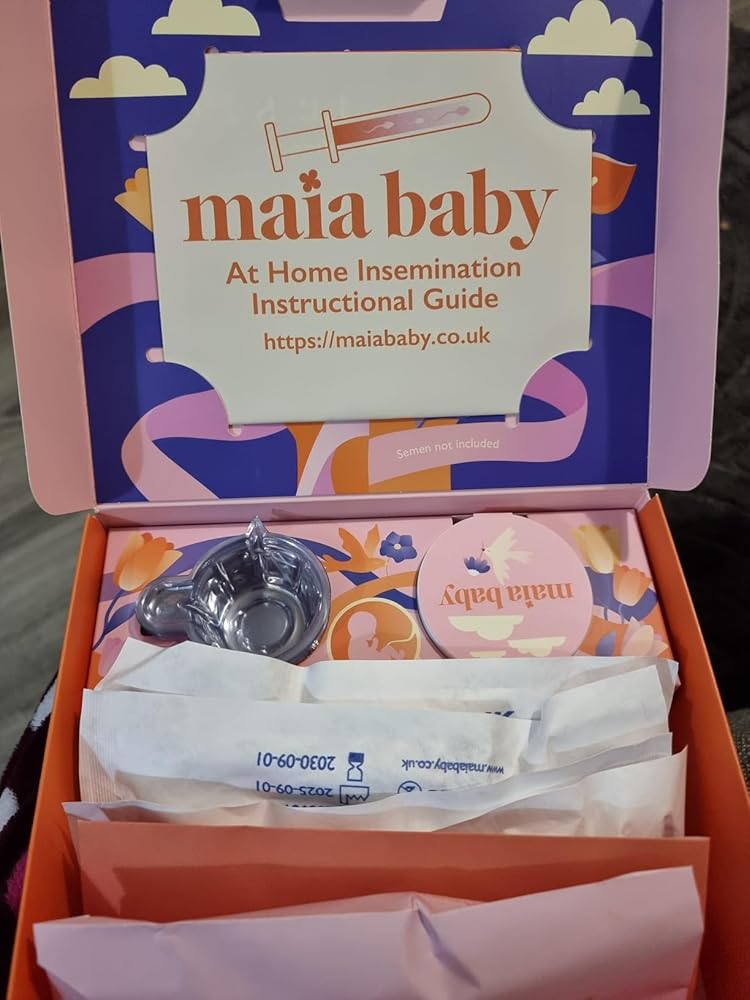
- Not conceiving. The NHS says see a GP after a year of trying, or sooner if you are 36 or over or already know of a possible fertility problem. NICE NG257 also says assessment should be offered after 6 cycles of artificial insemination, which matters if you are inseminating at home.
- A persistently short luteal phase. If your period arrives under 10 days after a confirmed LH surge, cycle after cycle, mention it when you ask for a fertility assessment. I cannot promise your GP will test for "luteal phase defect", because NICE does not recommend it.
- Discharge or breast changes. The NHS says get help if your discharge changes colour, smell or texture, or comes with itching, pelvic pain or bleeding, and see a GP if breast pain does not improve.
- Negative tests but no period. The NHS says speak to your GP if you get a negative result after a second test and your period has not arrived.
- Once you are pregnant. The NHS says bleeding, stomach pain or pelvic pain in early pregnancy need medical advice.
FAQ: Luteal Phase Symptoms
How should you feel during the luteal phase?
There is no single right way to feel. The NHS says symptoms differ from woman to woman and can vary from month to month. As progesterone climbs towards its peak, 6 to 8 days after ovulation in non-pregnancy cycles, bloating, sore breasts, tiredness and mood changes become more likely. Symptoms should ease once your period starts. Feeling nothing at all is also normal.
What to avoid during the luteal phase?
Very little needs avoiding. If you are trying to conceive, the NHS advice applies across the whole cycle: do not drink alcohol, get support to stop smoking, do not use illegal drugs, and take folic acid and vitamin D. Avoid testing too early, because a pregnancy cannot be detected before implantation. There is no good evidence that you need to avoid exercise, sex, baths or particular foods in the luteal phase.
How does the luteal phase affect your mood and behaviour?
Mood and behaviour changes are a recognised part of the luteal phase. The NHS lists feeling upset, anxious or emotional, irritability, tiredness, trouble sleeping and changes in appetite. RCOG says 2 to 4 in 100 women have PMS severe enough to stop them getting on with daily life, and PMDD, the severe form, affects 1.6% of women in community samples. The NHS says to call 999 or go to A&E if you have symptoms of PMDD and are feeling suicidal.
Keep Reading: Helpful TTC Guides
These are the guides I would read next:
- Two Week Wait Symptoms for the symptom-spotting and coping side of the wait.
- When to Take a Pregnancy Test After Ovulation for test timing.
- Implantation Bleeding for our separate guide on that topic.
- Ovulation Symptoms: What I Missed for the part of the cycle just before this one.